Animation is a progression of pictures, each possessing slight variations from the previous one, exhibited in a consecutive manner. When displayed at a rapid pace, our perception ceases to discern the individual images and instead perceives an illusory sense of movement. There are multiple methods available for generating the individual visuals, such as manually crafted drawings and captured images of physical objects. In contrast, Pixar employs virtual 3D models and environments to construct their imagery.
Animation is a cinematic method whereby stationary images are manipulated to generate dynamic visuals. In the realm of traditional animation, images are painstakingly crafted by hand on transparent celluloid sheets, known as cels, which are subsequently captured and showcased on film. Animation has gained acknowledgement as a form of artistic expression, particularly within the realm of entertainment. Numerous animations are generated through computer technology, employing computer-generated imagery (CGI). Amidst the presence of various other forms, stop motion animation, notably claymation, has managed to endure.
Various traditional animation mediums that depend on the swift presentation of consecutive visuals include the phénakisticope, zoetrope, flip book, praxinoscope, and film. Electronic animation media such as television and video, which were initially analog but have now transitioned into digital operation, are also widely favored. In order to be showcased on computers, various forms of technology were created, such as animated GIFs and Flash animation.
The process of 3D animation entails the digital creation and manipulation of models by an animator. Typically, the initial step involves the development of a 3D polygon mesh by the model maker, which is later modified by the animator. In general, a mesh consists of numerous vertices that are joined together by edges and faces, thereby providing a tangible shape to a three-dimensional object or environment. Occasionally, an internal digital skeletal structure known as an armature is incorporated into the mesh, enabling control over the mesh by assigning weight to its vertices. This procedure is referred to as rigging and can be utilized alongside key frames to generate motion.
The Rescuers Down Under holds the distinction of being the inaugural full-length movie to be entirely generated digitally, devoid of any camera involvement. This accomplishment was achieved through the utilization of the Computer Animation Production System (CAPS), a collaborative creation by Pixar and The Walt Disney Company during the late 1980s. The film's aesthetic closely mimicked the traditional technique of cel animation.
In 1991, Beauty and the Beast became the inaugural animated film to receive a nomination for the esteemed Best Picture category. Subsequently, Up (2009) and Toy Story 3 (2010) also earned nominations in this category when the academy increased the number of nominees from five to ten.
During the earlier period, animators used to sketch on illuminated tables to view their prior animations. However, with the declining popularity of traditional methods, contemporary animators typically employ tablet devices for drawing purposes. Disney has not employed traditional hand coloring techniques since the release of The Little Mermaid in 1989.
Animation and live-action film are often juxtaposed, despite the fact that they are not completely independent from one another. Numerous filmmakers have created movies that combine elements of both mediums. With the advancing capabilities of CGI to closely resemble photographic visuals, movie directors now have the option to seamlessly integrate 3D animations into their films instead of relying on practical effects to achieve impressive visual effects (VFX).
This enables Japanese animators to incorporate greater intricacy in their drawings, as it necessitates a smaller number of images. Furthermore, this attribute grants anime a unique sense of motion. Naturally, there are instances that deviate from this principle: certain animated content from the United States adheres to a three-frame pattern, while specific anime productions follow a two-frame or even one-frame rhythm.
Television animation gained significant popularity during the 1950s, coinciding with the widespread adoption of television sets in most advanced nations. Primarily targeted towards children, animated cartoons were conveniently scheduled and Saturday mornings often saw American youngsters devoting numerous hours to watching these shows. Numerous timeless animated shows experienced a revival on television, with the production of new animated cartoons transitioning from theatrical releases to television series by the late 1950s. Hanna-Barbera Productions stood out as a remarkably productive studio during this period, achieving immense success with notable series including The Flintstones (1960-1966), which became the first ever animated prime time series, Scooby-Doo (since 1969), and the Belgian co-production The Smurfs (1981-1989). The limitations imposed by American television programming, combined with the need to produce a large volume of content, led to the adoption of cost-effective and expedited techniques for limited animation, paired with increasingly formulaic scripts. As a result, the overall quality declined until the emergence of more audacious animation in the late 1980s and early 1990s. This revitalization of American animation was characterized by successful shows like the pioneering cartoon series, The Simpsons (1987), along with subsequent animated television programs such as The Simpsons (since 1989) and SpongeBob SquarePants (since 1999).
Animators breathe life into the narrative by positioning characters to perform actions in every scene. They begin by deconstructing an action into a sequence of significant poses known as key frames, which delineate crucial positions. Afterwards, a computer program is employed to depict the object's motion between those key frames in order to effectively communicate the intended emotions through the resulting animation.
During this phase of the production process, animators manipulate the characters to enact every scene. Giulia's physical movements and facial gestures effectively communicate her unique traits and emotional states.
In the realm of 2D animation, characters are crafted or modified on a computer utilizing both 2D bitmap graphics and 2D vector graphics. This encompasses mechanized adaptations of conventional animation methods such as interpolated morphing, onion skinning, and interpolated rotoscoping. The applications of 2D animation span across various realms, including After Effects Animation, analog computer animation, Flash animation, and PowerPoint animation. Cinemagraphs are essentially static images that incorporate subtle animated elements in the form of a GIF file.
In addition to their accomplishments in cinemas and TV shows, numerous animated characters can also generate significant financial gains through licensing for various merchandise and different forms of media.
Animators fine-tune and modify the shapes and motions executed by their characters from Toy Story in 1995 up until the present-day film Coco. As a result, 3D animation has emerged as a prevailing form of animation.

In the realm of animation, full animation refers to the method of creating visually captivating films through the utilization of intricate illustrations and lifelike motion, resulting in seamless animation. This artistic approach allows for a range of styles, from the lifelike animations showcased by Walt Disney (The Little Mermaid, Beauty and the Beast, Aladdin, The Lion King) to the more exaggerated and whimsical aesthetics synonymous with Warner Bros. productions. An animation production company. A number of the Disney animated films serve as illustrations of complete animation, just like non-Disney productions such as The Secret of NIMH (US, 1982), The Iron Giant (US, 1999), and Nocturna (Spain, 2007). In the realm of fully animated films, it is common practice to animate them using either a two-frame or one-frame approach. This essentially implies that a minimum of 12 and up to 24 drawings are necessary to compose a single second of footage.
Similar to other types of media, animation has established accolades to recognize outstanding achievements in the industry. Several of these awards are integrated within broader or localized film award ceremonies, such as China's Golden Rooster Award for Best Animation which has been presented since 1981. ASIFA-Hollywood's Annie Awards, the Emile Awards in Europe, and the Anima Mundi awards in Brazil are among the numerous awards programs that focus on animation and feature a wide range of categories.
Animation can also encompass the motion of image components through basic machinery, such as the shifting of images in magic lantern presentations. The historical practice of manipulating three-dimensional puppets and objects to imitate living entities through mechanical means is closely tied to animation as well. Disney popularized the concept of electronic automata by introducing animatronics.
Computer animation comprises a range of methods, with the common thread being that the animation is generated digitally using a computer. 2D animation methods typically concentrate on manipulating images, whereas 3D techniques involve constructing virtual environments where characters and objects can engage in movement and interaction. The utilization of 3D animation has the capability to generate visuals that appear lifelike to the observer.
The sheer lucidity of animation renders it a potent instrument for educational purposes, while its complete adaptability also permits the portrayal of heightened emotions and a departure from reality. Consequently, animation has found extensive application beyond mere amusement.
In addition to receiving Academy Awards for Best Animated Short Film (since 1932) and Best Animated Feature (since 2002), animated films have been frequently recognized and honored in various other categories, notably including Best Original Song and Best Original Score.

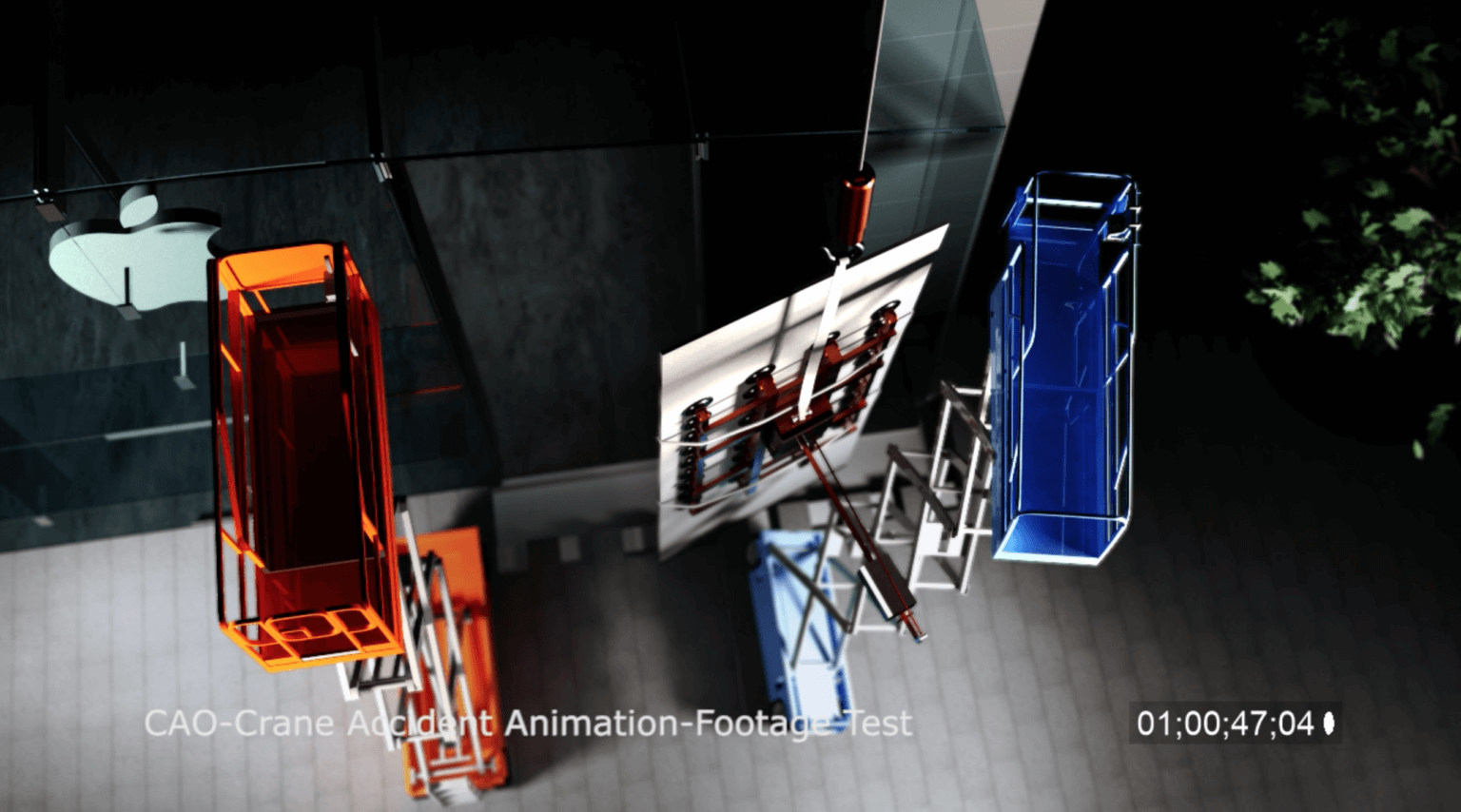
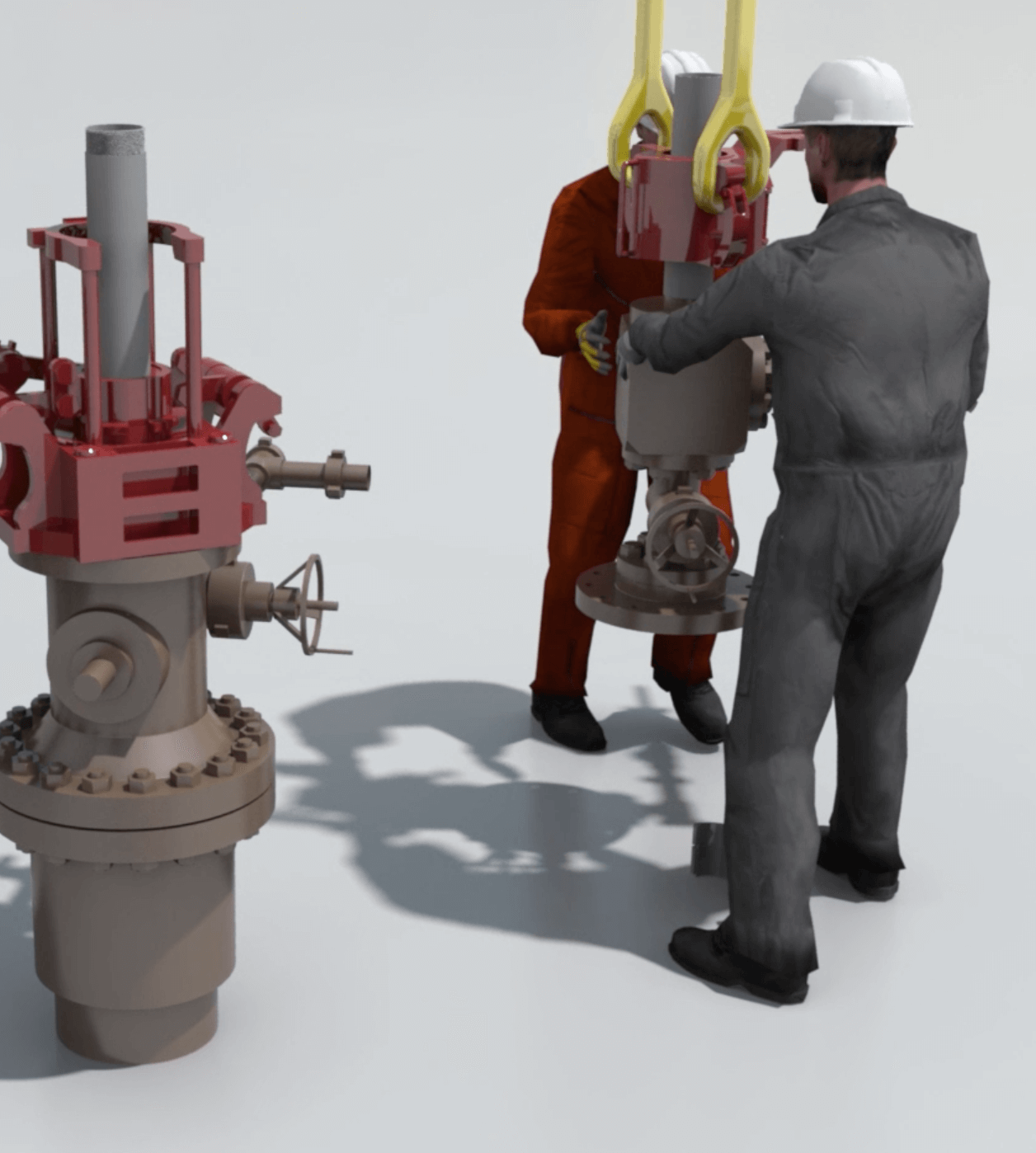
LawFX offers a range of services including forensic animations, trial graphics, accident reconstruction, industrial case animations, medical malpractice media, work injury cases, oil & gas legal animations, and more.
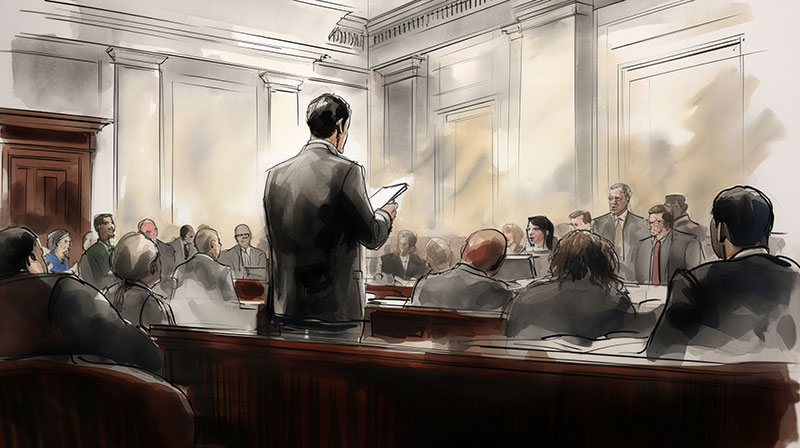
LawFX is a division of Industrial3D, specializing in creating scientifically accurate legal animations and litigation graphics. They provide visual aids like motion graphics and 3D simulations for legal proceedings, including trials, mediations, and appellate proceedings.
Yes, LawFX provides specialized animations for oil and gas incidents, environmental breaches, and work-related injuries, drawing on their expertise in this sector.